Ask a Master Plumber: Is It Bad to Pour Grease Down the Drain? - Lujan Plumbing
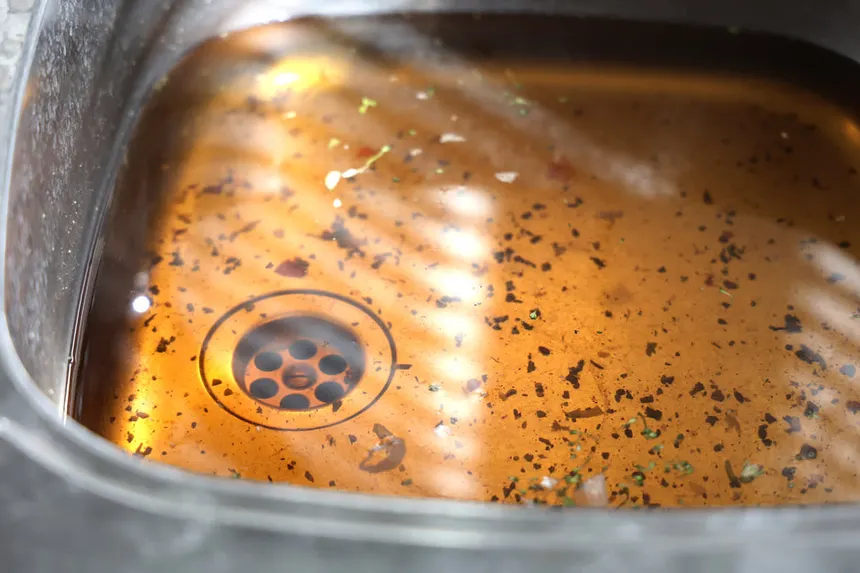
It may seem harmless to rinse grease down the drain while cleaning up after cooking, but doing so is one of the most common causes of clogged kitchen pipes.
Many homeowners assume that because grease is liquid when it's hot, it will simply wash away with hot water and soap. Unfortunately, that's not how plumbing systems work. As grease cools, it quickly solidifies and sticks to the inside of your pipes.
Over time, those small layers of grease build up and create stubborn clogs that can block water flow entirely.
- Short-Term Effect: Grease coats the inside of pipes.
- Long-Term Effect: It traps food particles and debris, eventually forming a thick blockage.
For plumbers, grease buildup is one of the most common reasons we get called out for kitchen drain clogs.
What Happens When Grease Goes Down the Drain?
When hot grease is poured into the sink, it travels through the pipes as a liquid. But as it moves farther from the sink, it cools and begins to harden.
Once it solidifies, it sticks to the inner walls of the pipe.
How Grease Causes Clogs
Grease buildup creates a sticky surface inside the plumbing system that traps other materials such as:
- Food scraps
- Coffee grounds
- Soap residue
- Hair and debris
Over time, this combination forms a thick blockage that restricts water flow and eventually leads to a clogged drain.
In severe cases, grease can contribute to sewer line blockages, which are much more expensive to fix.
Why Hot Water and Soap Don't Fix the Problem
A common myth is that running hot water and dish soap will safely wash grease through the pipes.
While soap can temporarily break up grease, it doesn't eliminate it completely. Eventually the grease cools again farther down the plumbing system and sticks to the pipes.
This means the problem doesn't disappear — it simply moves deeper into your plumbing.
Signs Grease May Be Clogging Your Pipes
Grease buildup usually happens slowly, which means the warning signs can appear gradually.
Common Warning Signs
- Slow draining kitchen sink
- Frequent clogs in the same drain
- Gurgling sounds in the pipes
- Unpleasant odors coming from the drain
If you notice these issues, grease buildup may already be restricting your pipes.
The Best Way to Dispose of Cooking Grease
The safest way to dispose of grease is not down the drain.
Instead, let the grease cool and then throw it away with your household trash.
Safe Disposal Options
- Pour cooled grease into a disposable container and throw it away
- Wipe greasy pans with paper towels before washing
- Store used cooking oil in a sealed container for disposal
These small habits can prevent major plumbing problems later on.
When Grease Has Already Caused a Clog
If grease has already built up inside your pipes, basic DIY solutions often won't completely remove it. Grease tends to stick firmly to pipe walls and can continue causing clogs even after temporary fixes.
Professional drain cleaning equipment can safely break up and remove grease buildup without damaging your plumbing system.
Conclusion
Pouring grease down the drain might seem harmless in the moment, but over time it can lead to stubborn clogs, slow drains, and even sewer line problems. Taking a few simple steps when disposing of cooking grease can help protect your home's plumbing system and prevent costly repairs.
Let Us Help!
If your kitchen sink is draining slowly or keeps clogging, grease buildup could be the cause. Lujan Plumbing can inspect your drains and safely clear the blockage. Give us a call today at 210-694-1325 and we'll get your plumbing flowing smoothly again.